
Ocean Health
Ocean Health
Seeking solutions to tackle global problems and protect marine life
As we deepen our understanding of the Ocean, we uncover not only its dynamics and processes but also its vulnerabilities and the many impacts affecting marine and coastal ecosystems around the world. Climate change, pollution, habitat degradation, and overfishing are some of the challenges that the Ocean faces, with consequences that can be devastating for marine life and humanity.
The urgency to protect the ocean has never been greater. With over 3 billion people depending on marine biodiversity for their livelihoods, and countless more relying on seafood as a primary source of protein, the health of the ocean is intricately linked to human well-being. Moreover, the ocean plays a critical role in regulating the global climate, absorbing excess carbon dioxide and mitigating the impacts of climate change.
Recognizing the importance of ocean conservation, the United Nations has included a dedicated Sustainable Development Goal - SDG 14 “Life Below Water” - aimed at conserving and sustainably using the ocean's resources. Achieving this goal is not only crucial for safeguarding marine ecosystems but also for ensuring a sustainable future for generations to come. CCMAR is committed to develop excellent research that contributes to this goal.
Protecting
through ocean management and conservation
At CCMAR, one of our priorities is to craft science-based solutions aimed at safeguarding Ocean health. Through our efforts, we strive to minimize human impact on the global ocean, champion marine conservation, and undertake initiatives for habitat restoration. Our work extends its support to various sectors of society, including policymakers, local communities, and stakeholders, paving the way for a more sustainable use of resources. By doing so, we aim to foster richer and healthier marine ecosystems for the benefit of present and future generations.
Advancing conservation science
Our researchers are dedicated to gathering vital information, innovating new methods, and enhancing tools essential for the effective management and conservation of marine and coastal species and ecosystems. Employing cutting-edge techniques such as advanced habitat mapping, biodiversity surveys, animal tracking, and big data modeling, we generate robust scientific insights. These insights enable conservation efforts, ranging from identifying vulnerable species and habitats to facilitating the establishment of marine protected areas.
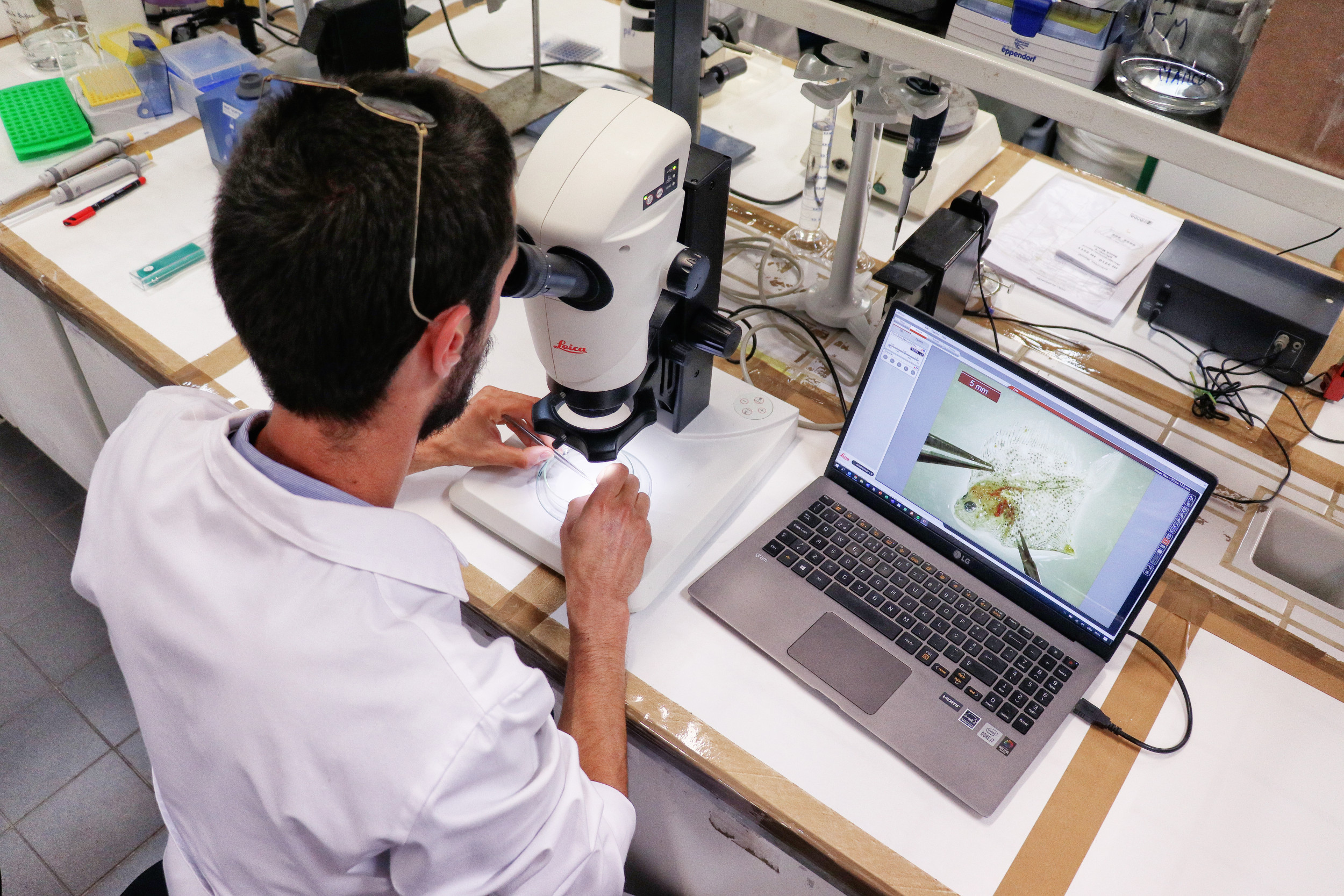
Improving ocean health, one solution at a time
A multitude of human activities exert profound impacts on the marine and aquatic environment. These range from industry-specific impacts, such as those from fisheries, tourism, and coastal construction, to broader, global impacts stemming from activities like climate change and marine pollution (e.g., microplastics, urban effluents, mining). Our researchers are committed to evaluating the effects of these activities, monitoring them over time, and devising solutions to mitigate their adverse impacts.
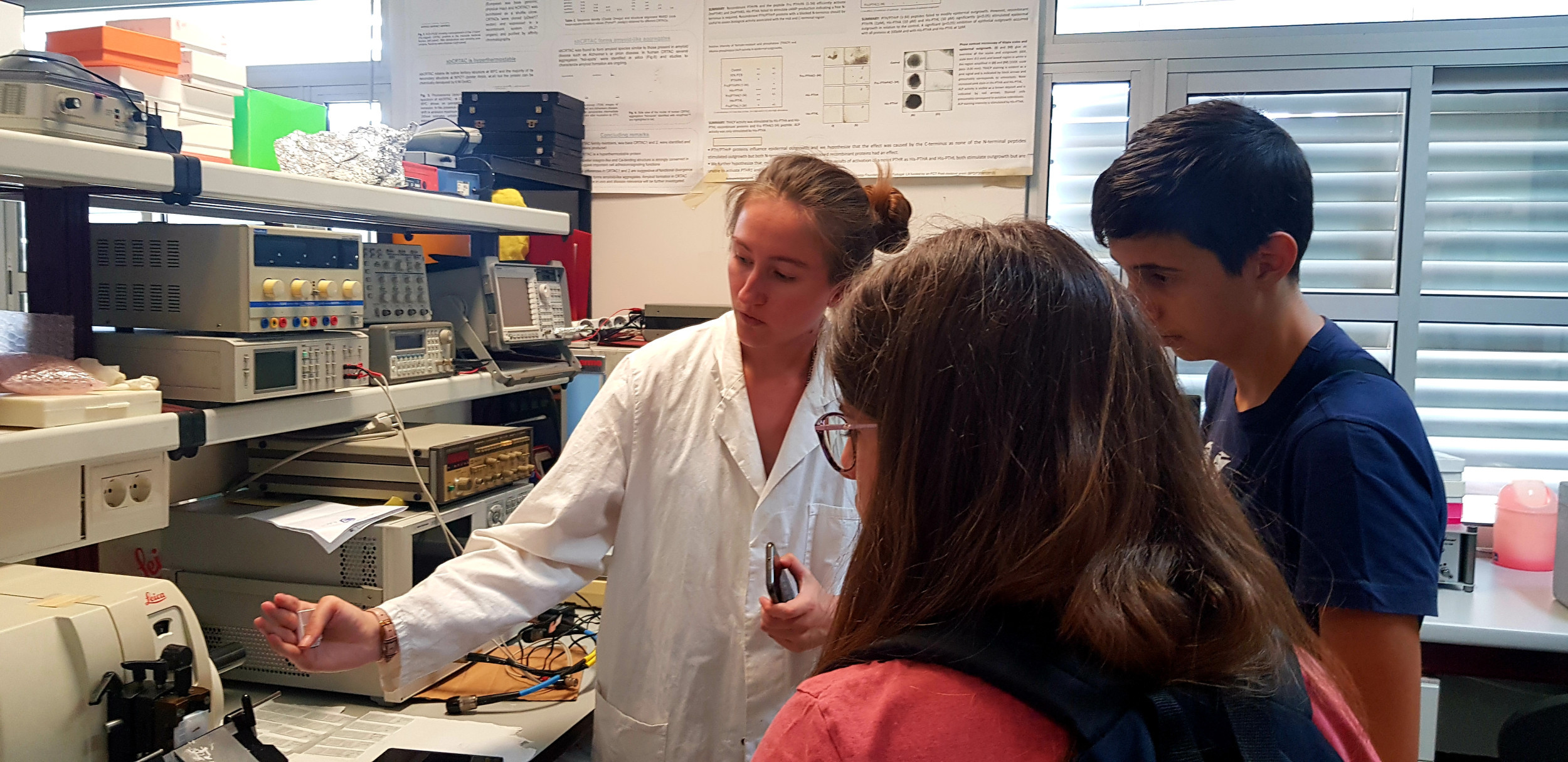
Understanding costs and benefits
Safeguarding the Ocean requires active engagement from society and stakeholders, coupled with a profound understanding of its significance. To achieve this, our researchers work towards identifying and quantifying the myriad benefits the Ocean bestows upon us, as well as comprehensively assessing the societal costs associated with the loss of marine biodiversity.
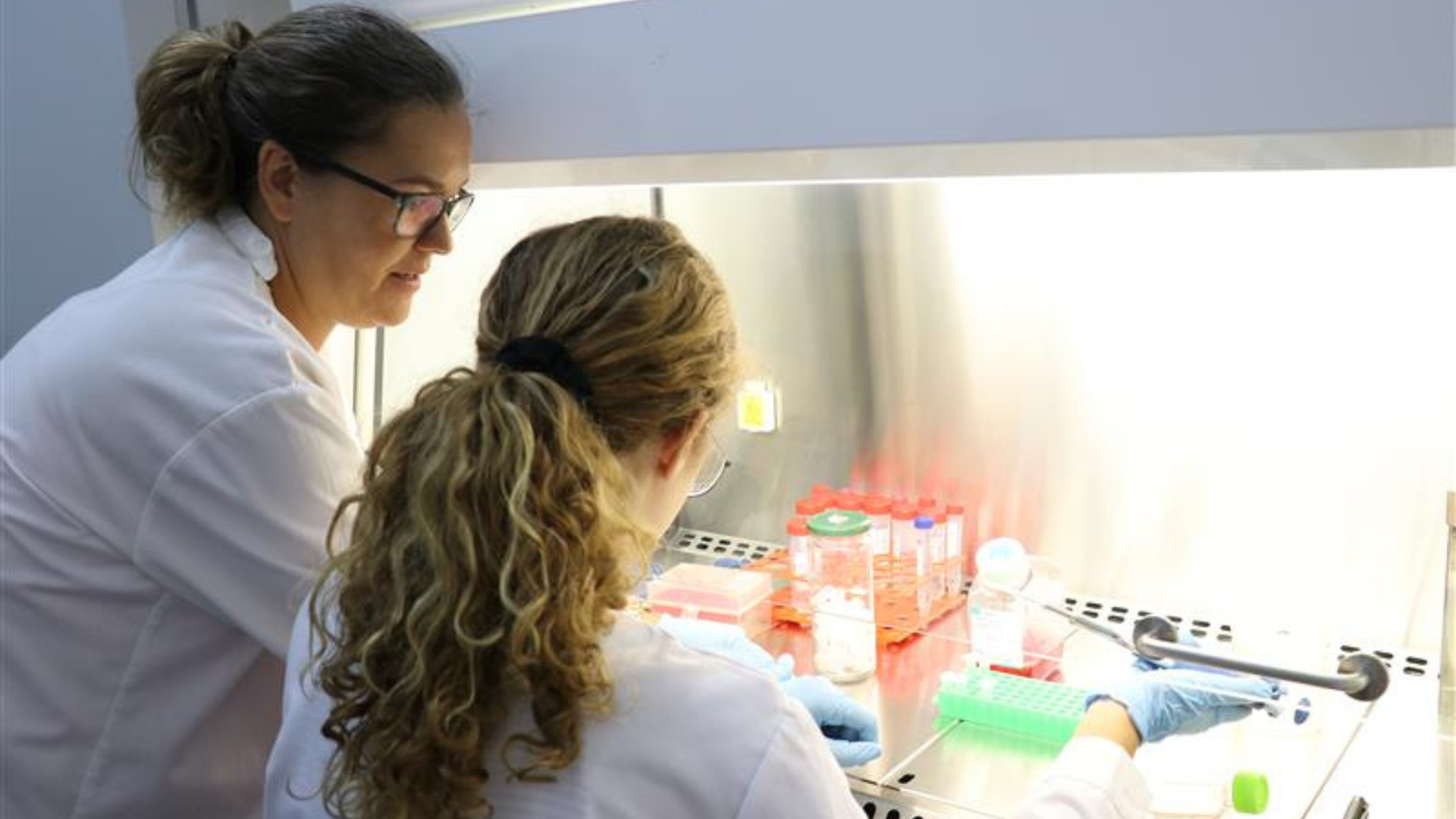
Recovering Ocean Health
In certain instances, simply mitigating or preventing future impacts isn't sufficient. In areas where populations and habitats have endured significant past impacts, our researchers are dedicated to crafting nature-based solutions. These solutions aim to restore habitats and foster the resurgence of balanced and healthy ecosystems.

Protecting our Ocean
To safeguard the health of the Ocean, we have a multidisciplinary research team diving deep into various areas of marine science, uncovering insights to tackle today's pressing challenges head-on. Explore our focus areas.


Biodiversity conservation

Invasive species

Ocean Health
Seeking solutions to tackle global problems and protect marine life
As we deepen our understanding of the Ocean, we uncover not only its dynamics and processes but also its vulnerabilities and the many impacts affecting marine and coastal ecosystems around the world. Climate change, pollution, habitat degradation, and overfishing are some of the challenges that the Ocean faces, with consequences that can be devastating for marine life and humanity.
The urgency to protect the ocean has never been greater. With over 3 billion people depending on marine biodiversity for their livelihoods, and countless more relying on seafood as a primary source of protein, the health of the ocean is intricately linked to human well-being. Moreover, the ocean plays a critical role in regulating the global climate, absorbing excess carbon dioxide and mitigating the impacts of climate change.
Recognizing the importance of ocean conservation, the United Nations has included a dedicated Sustainable Development Goal - SDG 14 “Life Below Water” - aimed at conserving and sustainably using the ocean's resources. Achieving this goal is not only crucial for safeguarding marine ecosystems but also for ensuring a sustainable future for generations to come. CCMAR is committed to develop excellent research that contributes to this goal.
Protecting
through ocean management and conservation
At CCMAR, one of our priorities is to craft science-based solutions aimed at safeguarding Ocean health. Through our efforts, we strive to minimize human impact on the global ocean, champion marine conservation, and undertake initiatives for habitat restoration. Our work extends its support to various sectors of society, including policymakers, local communities, and stakeholders, paving the way for a more sustainable use of resources. By doing so, we aim to foster richer and healthier marine ecosystems for the benefit of present and future generations.
Advancing conservation science
Our researchers are dedicated to gathering vital information, innovating new methods, and enhancing tools essential for the effective management and conservation of marine and coastal species and ecosystems. Employing cutting-edge techniques such as advanced habitat mapping, biodiversity surveys, animal tracking, and big data modeling, we generate robust scientific insights. These insights enable conservation efforts, ranging from identifying vulnerable species and habitats to facilitating the establishment of marine protected areas.
Improving ocean health, one solution at a time
A multitude of human activities exert profound impacts on the marine and aquatic environment. These range from industry-specific impacts, such as those from fisheries, tourism, and coastal construction, to broader, global impacts stemming from activities like climate change and marine pollution (e.g., microplastics, urban effluents, mining). Our researchers are committed to evaluating the effects of these activities, monitoring them over time, and devising solutions to mitigate their adverse impacts.
Understanding costs and benefits
Safeguarding the Ocean requires active engagement from society and stakeholders, coupled with a profound understanding of its significance. To achieve this, our researchers work towards identifying and quantifying the myriad benefits the Ocean bestows upon us, as well as comprehensively assessing the societal costs associated with the loss of marine biodiversity.
Recovering Ocean Health
In certain instances, simply mitigating or preventing future impacts isn't sufficient. In areas where populations and habitats have endured significant past impacts, our researchers are dedicated to crafting nature-based solutions. These solutions aim to restore habitats and foster the resurgence of balanced and healthy ecosystems.
Protecting our Ocean
To safeguard the health of the Ocean, we have a multidisciplinary research team diving deep into various areas of marine science, uncovering insights to tackle today's pressing challenges head-on. Explore our focus areas.
Biodiversity conservation
Invasive species