marine guardian

MarineGuardian

Project Summary

MarineGuardian develops innovative solutions to reduce the environmental impact of fisheries on marine species and habitats. Through a holistic and collaborative approach involving fishers, authorities and policymakers, the project advances technologies, operational strategies and new data-sharing methods to accelerate the transition towards more sustainable and economically viable fisheries. The solutions will be tested in six case studies and will contribute to a European roadmap for sustainable fisheries, aligned with the Mission Ocean objectives.

marine guardian

Project Activities

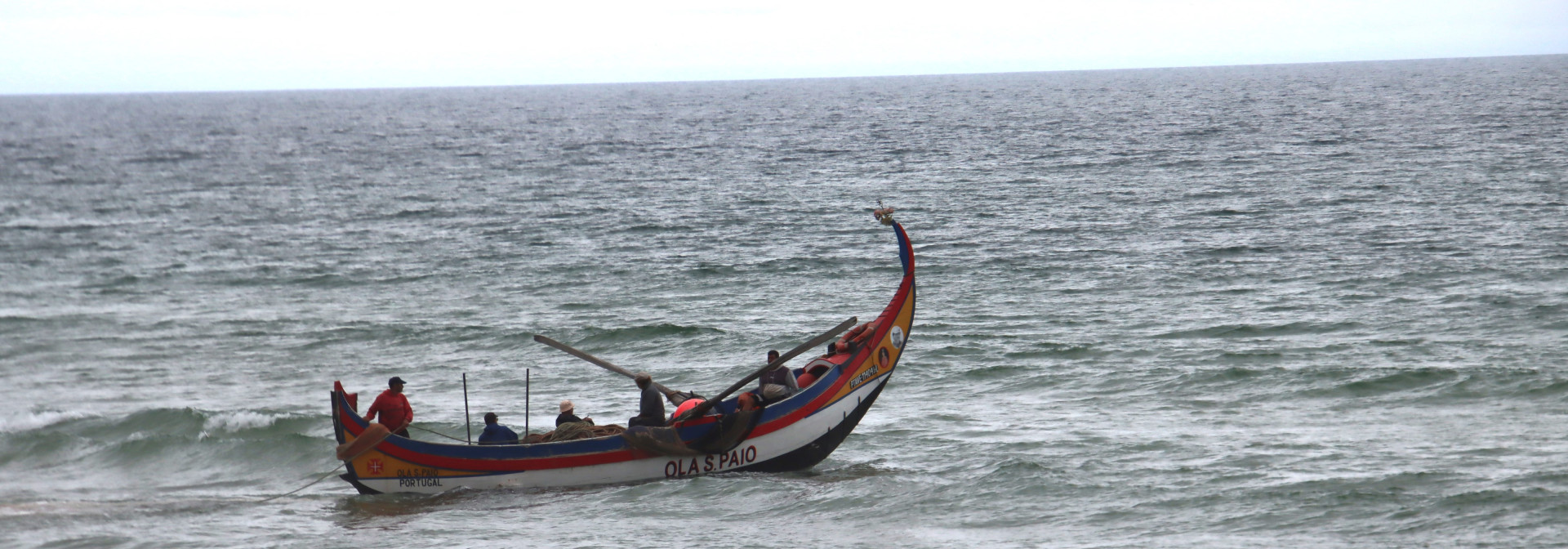
Within MarineGuardian’s Case Study 6 – Bay of Biscay and Iberian Waters – the CCMAR team leads the Portuguese activities focused on the traditional beach seine fishery, known locally as arte xávega. This artisanal fishing method, common along the western Portuguese coast, is associated with incidental captures of small cetaceans such as the critically endangered harbour porpoise (Phocoena phocoena), and mostly common dolphins, Delphinus delphis. CCMAR works closely with fishers to understand fishing dynamics and co-develop effective monitoring and mitigation measures, integrating advanced tools such as underwater cameras, Passive Acoustic Monitoring Devices, and onboard observers.In addition to ecological research, CCMAR coordinates the design and testing of practical mitigation solutions, including the use of pingers and Bycatch Reduction Devices (BRDs) adapted to beach seine nets, and develops protocols for the safe release of cetaceans. The team also contributes to digital monitoring systems for fishing effort and bycatch, as well as to socio-economic assessments of the tested measures, ensuring that proposed solutions balance marine biodiversity conservation with the long-term sustainability of local fishing communities.


First steps

"This summer, our partner CCMAR kicked off a new initiative to tackle one of the biggest challenges in coastal fisheries: accidental bycatch of dolphins and other cetaceans in the Portuguese beach seine fishery.
In June, we started by talking directly with fishers across several beaches on the western coast. Through detailed questionnaires, we learned that bycatch rates vary from beach to beach—and identified at least one area where urgent action was needed."

More information

Partners

AZTI
Royal Greenland
Memorial University
Matís
Zunibal
Marine Stewardships Council
Heriot Watt University
DTU: Danmarks Tekniske Universitet
Hafrannsoknastofnun
Hampidjan
Data Fish
BRIM
Sjókovin
SINTEF
TrackWell
AGENCIA ESTATAL CONSEJO SUPERIOR DE INVESTIGACIONES CIENTIFICAS
(CSIC)
ICES

Funding Programme

HORIZON Research and Innovation Actions

Financing Entity

Comissão Europeia

Financial Implementation Norms

CE - HORIZON EUROPE