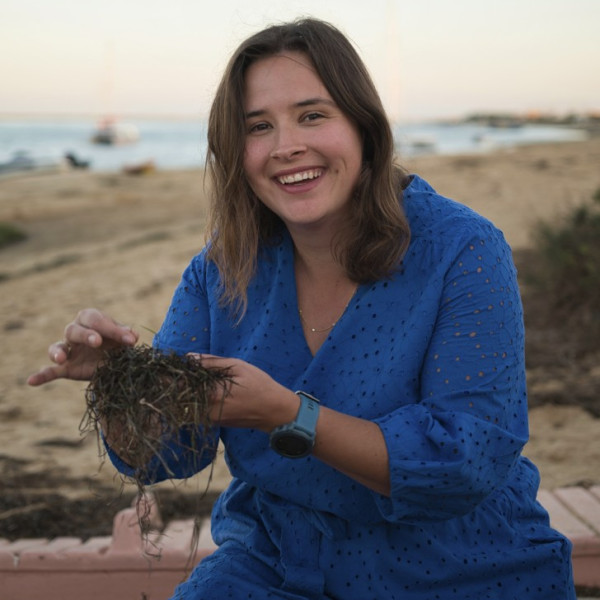
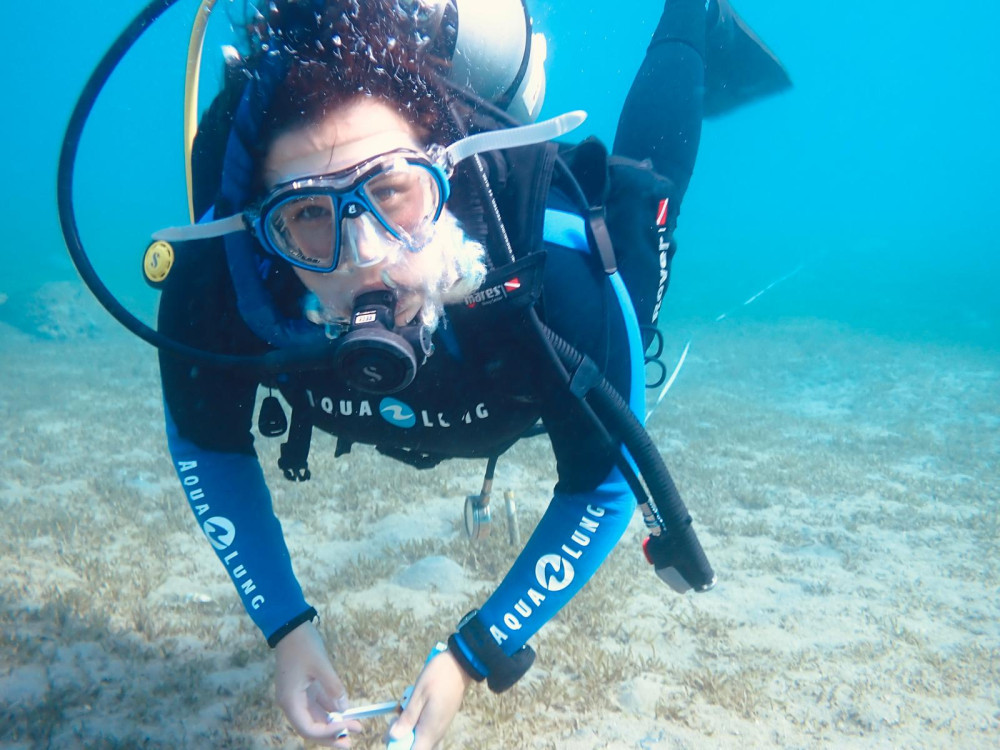
I am currently beginning my PhD as a Doctoral INPhINIT Fellow funded by the “La Caixa” Foundation at the Center of Marine Sciences (CCMAR), University of Algarve. My research focuses on developing scalable and environmentally responsible approaches to seagrass restoration, combining ecological science, spatial mapping, and community engagement.
My project brings together three main components:
1. Mapping seagrass and the pressures it faces
Using GIS tools and remote-sensing datasets, I aim to improve our understanding of seagrass extent, health, and the human-driven pressures affecting these ecosystems at different scales.
2. Developing aquaculture-based cultivation for restoration
I will explore how aquaculture methods can support large-scale, low-impact seagrass restoration, followed by field outplanting trials to test what works best under real environmental conditions.
3. Strengthening public engagement and ocean literacy
Because long-term conservation depends on people, my research also examines how citizen science and community participation can support monitoring, stewardship, and broader ocean literacy.
This fellowship (≈7% success rate) provides funding to develop this independent research project (€165,000), with the overarching goal of contributing practical solutions for restoring seagrass ecosystems while connecting science with society.