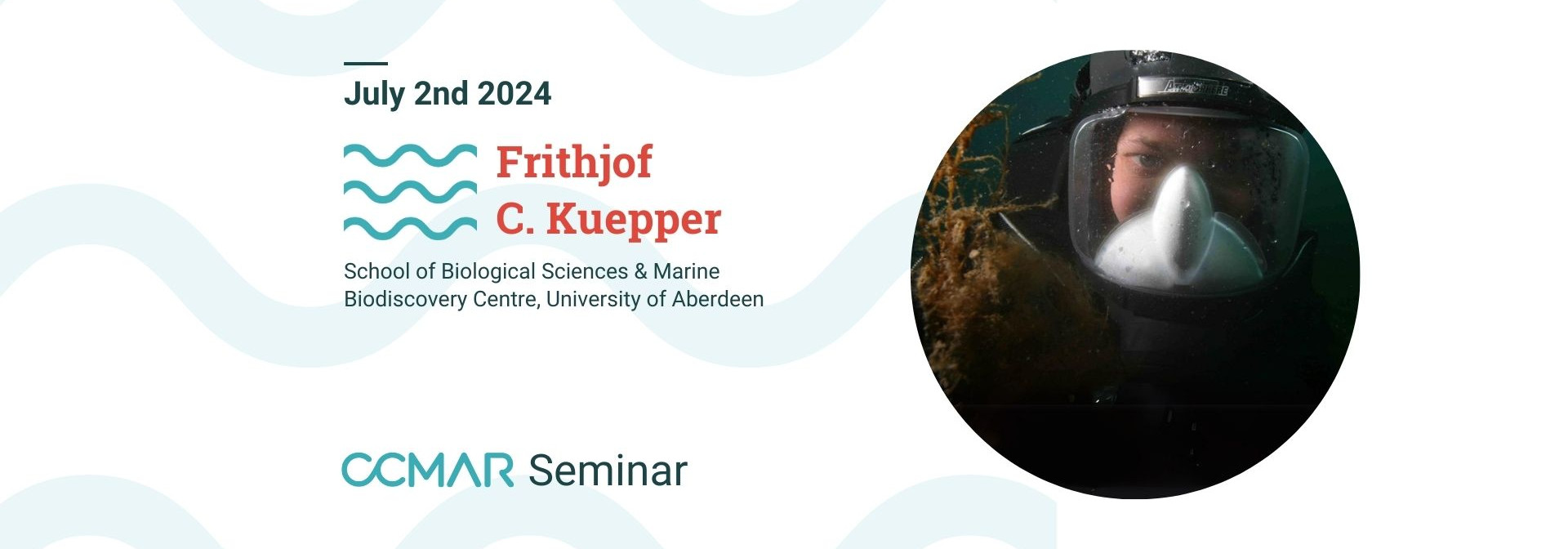
Brown algae of the Laminariales (kelps) are the strongest accumulators of iodine among living organisms. They represent a major pump in the global biogeochemical cycle of iodine and in particular, the major source of iodocarbons in the coastal atmosphere. Nevertheless, the chemical state and biological significance of accumulated iodine have remained unknown. Elucidation of these questions was the objective of this study. Using an interdisciplinary array of techniques, chiefly relying on synchrotron X-ray absorption spectroscopy, we show that the accumulated form is iodide, which readily scavenges a variety of reactive oxygen species (ROS). We have shown that its biological role is that of an inorganic antioxidant, the first ever to be described in a living system. Upon oxidative stress, iodide is effluxed. On the thallus surface and in the apoplast, iodide detoxifies both aqueous oxidants and ozone, the latter resulting in the release of high levels of molecular iodine and consequent formation of hygroscopic iodine oxides leading to particles, which are precursors to cloud condensation nuclei. When kelp thalli are submerged, this process impacts iodine speciation in seawater. In several aspects, iodide is unique as a biological antioxidant. Among the halides, it has by far the best antioxidant properties; yet, bromide complements it for the detoxification of superoxide.
The seminar will be held on July 2, at 12:00, at the University of Algarve, Gambelas Campus - Building 7, Room 1.39, and also online, via Zoom.
Participation is free but mandatory to register.
About our speaker:
Prof. Frithjof C. Küpper, Chair in Marine Biodiversity (Univ. Aberdeen), previously Reader / Head of CCAP at Scottish Association for Marine Science
Related events