Marine communities in distant oceans, made up of completely different species, develop surprisingly similar food webs — all because they are subject to similar environmental conditions. This discovery could be a key element in predicting how ecosystems will react to climate change and is the main conclusion of a new global study, published in the prestigious journal PNAS (Proceedings of the National Academy of Sciences), which included the participation of the Algarve Marine Science Centre (CCMAR).
The trophic structure of a community is its ‘food plan’ and how different forms of feeding balance each other within the ecosystem. In other words, it is the relationship between living beings and food. Until now, it was thought that the trophic webs of marine communities depended on the evolutionary history of species isolated in different regions, but this study reveals another determining factor: the environment. Environmental factors such as water temperature, depth and nutrient availability seem to create universal rules capable of shaping similar feeding patterns in distant ecosystems.
The research team, which included researchers from the Biodiversity Data Science, analysed the diet of nearly 5,600 species of marine vertebrates worldwide, including fish, turtles, mammals and seabirds. These were grouped according to their main food groups: from plankton consumers to fish predators, or species that feed on invertebrates from the seabed. By mapping these categories on a global scale, the analysis identified six major types of trophic communities.
‘It's like observing similar architectural designs that have sprung up spontaneously in different parts of the world because they obey the same laws of physics. In this case, environmental conditions act as “laws” that guide the structuring of marine food webs,’ explains Jorge Assis, a researcher at CCMAR and co-author of the study.
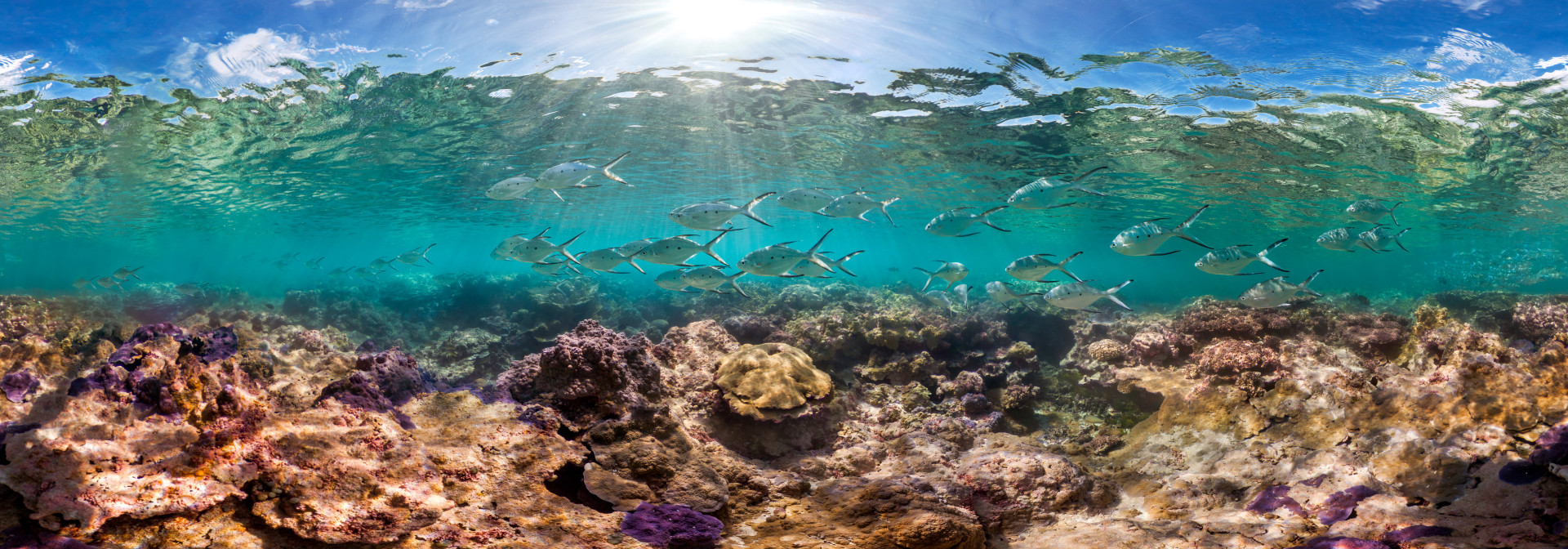
One of the most striking examples was that of cold, deep waters, where communities with simpler, more generalist food webs predominate, in contrast to tropical coastal areas, such as coral reefs, where much more complex webs emerge. This happens even when the species involved are not genetically related and in various areas of the globe.
“The strong link between water temperature and the type of food web suggests that ocean warming could cause significant changes in these structures. Regions currently dominated by cold-water communities could, in the future, give way to ecosystems similar to those found in warmer areas,” adds Jorge Assis.
The study represents a new way of studying marine biodiversity, focusing less on individual species and more on the ecological functions they perform. This work could be fundamental in predicting how different marine communities will react to global changes, such as ocean warming, helping to anticipate impacts and guide more effective conservation strategies.
Referenced Article: Trophic convergence of marine vertebrate communities worldwide. Proceedings of the National Academy of Sciences
Image credits: Ocean Image Bank - The Ocean Agency