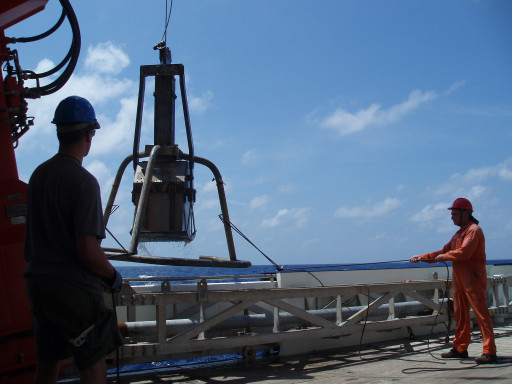
We continue to explore the secrets of the ocean, always focused on protecting its ecosystems and promoting sustainable practices.
In a new research with the Mediterranean mussel (Mytilus galloprovincialis), we discovered that the nervous system of these bivalves has an unexpected role in the production and repair of their shells – and neuropeptides are the true heroes of this story.
Brain or Shell?
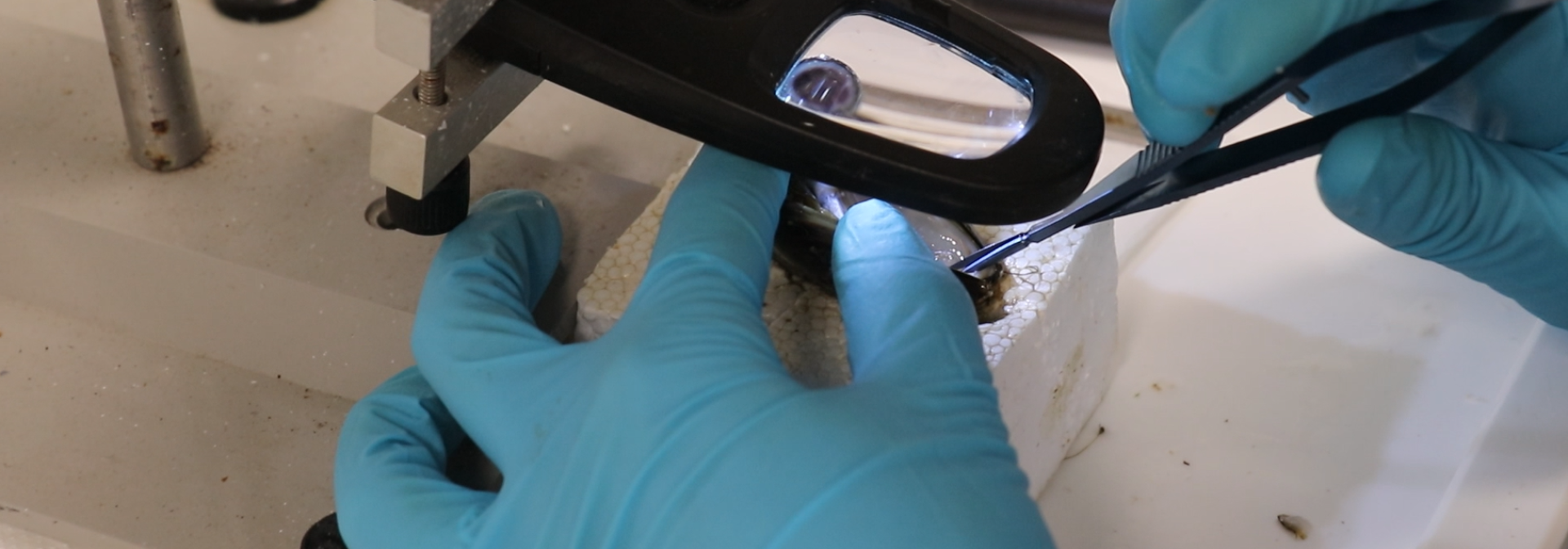
Shell production has always been seen as a physical process, but now we know there is much more to it. Our research focused on how small chemical messengers, neuropeptides, control the regeneration of shells when they are damaged. This discovery raises new questions about the role of the nervous system in bivalves and how this directly affects their survival and adaptation.
Neuropeptides: The Little Big Heroes
Our tests revealed that the neuropeptide calcitonin, which in humans regulates bone formation, also exists in bivalves and can restore the shell repair process, with impressive results. These neuropeptides activate the production of calcium crystals, essential for the formation of new shells. This discovery paves the way for new ideas in biotechnology, especially in applications involving biomineralization and structure regeneration.
Impact on the Blue Future
These discoveries are not only fascinating for science, but also have practical implications for the aquaculture and marine conservation industry. Better understanding the mechanisms of shell regeneration could lead to more sustainable practices in managing marine species and promote the protection of ocean habitats.
At CCMAR, we believe that the future of the oceans depends on the innovative science we are developing today.
You can read the scientific article in full here.