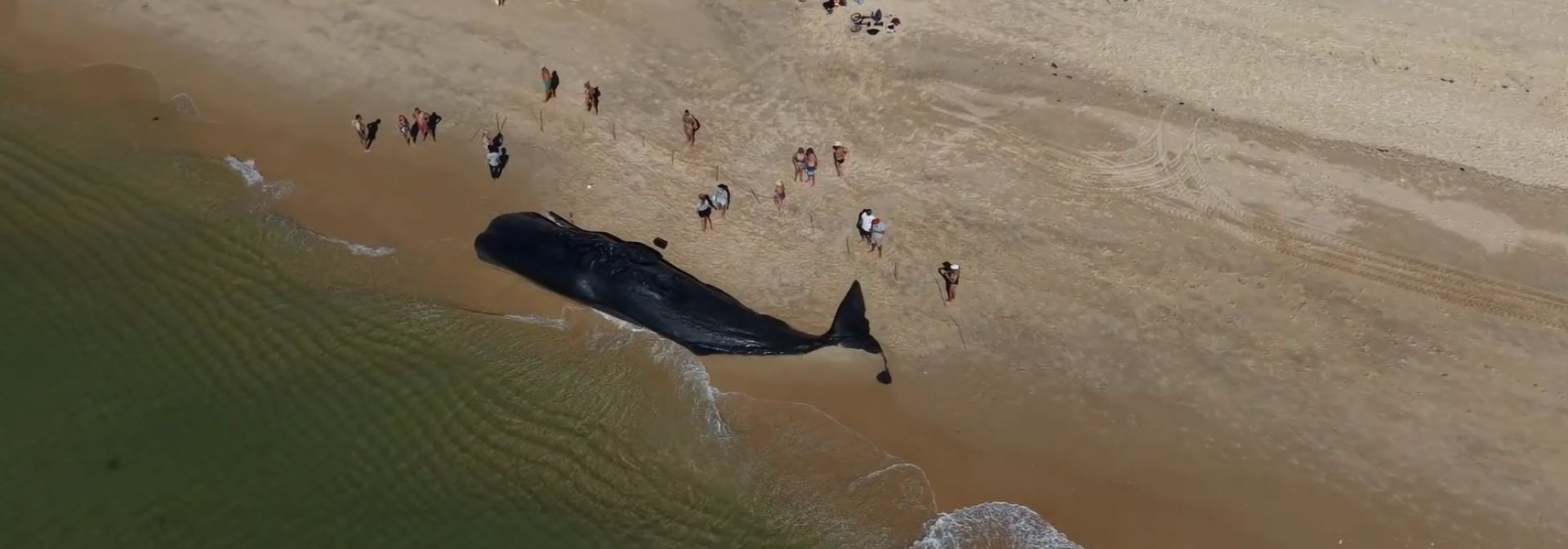
For decades, strandings of cetaceans along the Algarve coast were only sporadically recorded, which limited our understanding of what was happening to these animals. However, thanks to the ongoing efforts of the Rede de Arrojamentos do Algarve (RAAlg), these scattered records have now been compiled into the first comprehensive scientific assessment of cetacean mortality in the region over a 46-year period. This assessment will inform more effective conservation decisions in the future.
The establishment and reactivation of the Rede de Arrojamentos do Algarve (RAAlg) played an instrumental role in this progress. As part of a national network coordinated by CCMAR, the RAAlg's mission is to ensure a continuous regional response, with a technical team available 24 hours a day along the entire Algarve coast. The systematic recording of incidents and the collection of biological data, as well as the performance of post-mortems carried out by our team, have enabled us to transform isolated events into a consistent knowledge base over time.
Drawing on data collected since the 1970s, the study analysed more than a thousand cetacean strandings in an integrated manner for the first time, examining temporal, spatial and biological patterns, as well as causes of death, using robust statistical models. A total of 19 cetacean species were identified, with the common dolphin (Delphinus delphis) being the species most frequently found stranded, and the minke whale (Balaenoptera acutorostrata) being the species of whale most commonly found.
One of the most striking findings is that implementing a dedicated monitoring network has significantly increased our knowledge.

Since the RAAlg became operational, our ability to identify species and determine causes of death has increased substantially. The number of records has also doubled, revealing a previously underestimated situation.
Far from being random events, the survey of strandings revealed a clear pattern. The species most frequently found coincide with those most abundant in the region, highlighting the real impact of these incidents on the Algarve's cetacean ecology.
Indeed, around 45% of the cetaceans, found in conditions permitting detailed analysis, showed evidence of mortality associated with bycatch in accidental fishing, such as entanglement in fishing gear.
The study also enabled the creation of a precise mortality map: critical zones where natural factors and human pressure overlap emerged, such as Cabo de Santa Maria, Portimão–Lagos and Sagres.
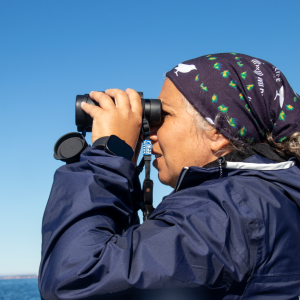
The evidence gathered highlights the urgent need to strengthen fisheries management measures and mitigation strategies to reduce bycatch and protect marine megafauna.
Thus, mortality is no longer a diffuse phenomenon, but is instead linked to specific contexts and is therefore potentially mitigable. The significant number of juvenile animals among those washed ashore further highlights the scale of the problem and suggests possible impacts on population renewal.
At the same time, however, this study shows that there is no single explanation or solution. Different species exhibit distinct patterns of occurrence and mortality, reflecting their specific behaviours and habitats. This variability highlights the need for management measures that are better tailored to the ecological reality of each species and coastal area.
This study not only describes the past, but also lays a solid foundation for the future. By transforming decades of data into actionable knowledge, it emphasises the importance of ongoing monitoring and establishes the Stranding Network as vital scientific infrastructure in supporting conservation policies, coastal management, and mitigating impacts on the ocean.
Form and contact details
if you spot any stranding:
- Emergency number: +351 968 688 233
- E-mail: raalg.arrojamentos@gmail.com
- Online Form: https://www.raalg.pt/registo-de-alerta
For decades, strandings of cetaceans along the Algarve coast were only sporadically recorded, which limited our understanding of what was happening to these animals. However, thanks to the ongoing efforts of the Rede de Arrojamentos do Algarve (RAAlg), these scattered records have now been compiled into the first comprehensive scientific assessment of cetacean mortality in the region over a 46-year period. This assessment will inform more effective conservation decisions in the future.
The establishment and reactivation of the Rede de Arrojamentos do Algarve (RAAlg) played an instrumental role in this progress. As part of a national network coordinated by CCMAR, the RAAlg's mission is to ensure a continuous regional response, with a technical team available 24 hours a day along the entire Algarve coast. The systematic recording of incidents and the collection of biological data, as well as the performance of post-mortems carried out by our team, have enabled us to transform isolated events into a consistent knowledge base over time.
Drawing on data collected since the 1970s, the study analysed more than a thousand cetacean strandings in an integrated manner for the first time, examining temporal, spatial and biological patterns, as well as causes of death, using robust statistical models. A total of 19 cetacean species were identified, with the common dolphin (Delphinus delphis) being the species most frequently found stranded, and the minke whale (Balaenoptera acutorostrata) being the species of whale most commonly found.
One of the most striking findings is that implementing a dedicated monitoring network has significantly increased our knowledge.
Since the RAAlg became operational, our ability to identify species and determine causes of death has increased substantially. The number of records has also doubled, revealing a previously underestimated situation.
Far from being random events, the survey of strandings revealed a clear pattern. The species most frequently found coincide with those most abundant in the region, highlighting the real impact of these incidents on the Algarve's cetacean ecology.
Indeed, around 45% of the cetaceans, found in conditions permitting detailed analysis, showed evidence of mortality associated with bycatch in accidental fishing, such as entanglement in fishing gear.
The study also enabled the creation of a precise mortality map: critical zones where natural factors and human pressure overlap emerged, such as Cabo de Santa Maria, Portimão–Lagos and Sagres.
The evidence gathered highlights the urgent need to strengthen fisheries management measures and mitigation strategies to reduce bycatch and protect marine megafauna.
Thus, mortality is no longer a diffuse phenomenon, but is instead linked to specific contexts and is therefore potentially mitigable. The significant number of juvenile animals among those washed ashore further highlights the scale of the problem and suggests possible impacts on population renewal.
At the same time, however, this study shows that there is no single explanation or solution. Different species exhibit distinct patterns of occurrence and mortality, reflecting their specific behaviours and habitats. This variability highlights the need for management measures that are better tailored to the ecological reality of each species and coastal area.
This study not only describes the past, but also lays a solid foundation for the future. By transforming decades of data into actionable knowledge, it emphasises the importance of ongoing monitoring and establishes the Stranding Network as vital scientific infrastructure in supporting conservation policies, coastal management, and mitigating impacts on the ocean.
Form and contact details
if you spot any stranding:
- Emergency number: +351 968 688 233
- E-mail: raalg.arrojamentos@gmail.com
- Online Form: https://www.raalg.pt/registo-de-alerta