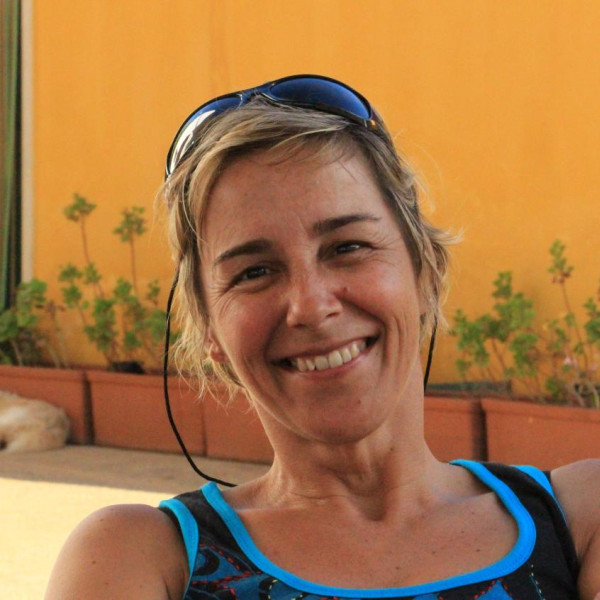
Mafalda Rangel’s research focuses on: recreational fisheries, artisanal fisheries, fisheries management, participatory approaches to fisheries management, socio-economics of fisheries, fisheries ecology, coastal management, marine & coastal tourism, underwater diving tourism, sustainable tourism, and marine biodiversity and conservation.
Since her BSc, she has been involved in numerous research projects on recreational activities that take place in coastal areas, mainly focusing on recreational fisheries and diving activities. For her MSc thesis she carried out a comprehensive analysis of shore-based angling in the north of Portugal, and for her PhD she studied the recreational diving industry in the Algarve region, analysing visitors’ perceptions and opinions and developing a network of self-guided underwater routes to enable the sustainable use by divers, allowing them to increase their environmental awareness and education during the diving activity.
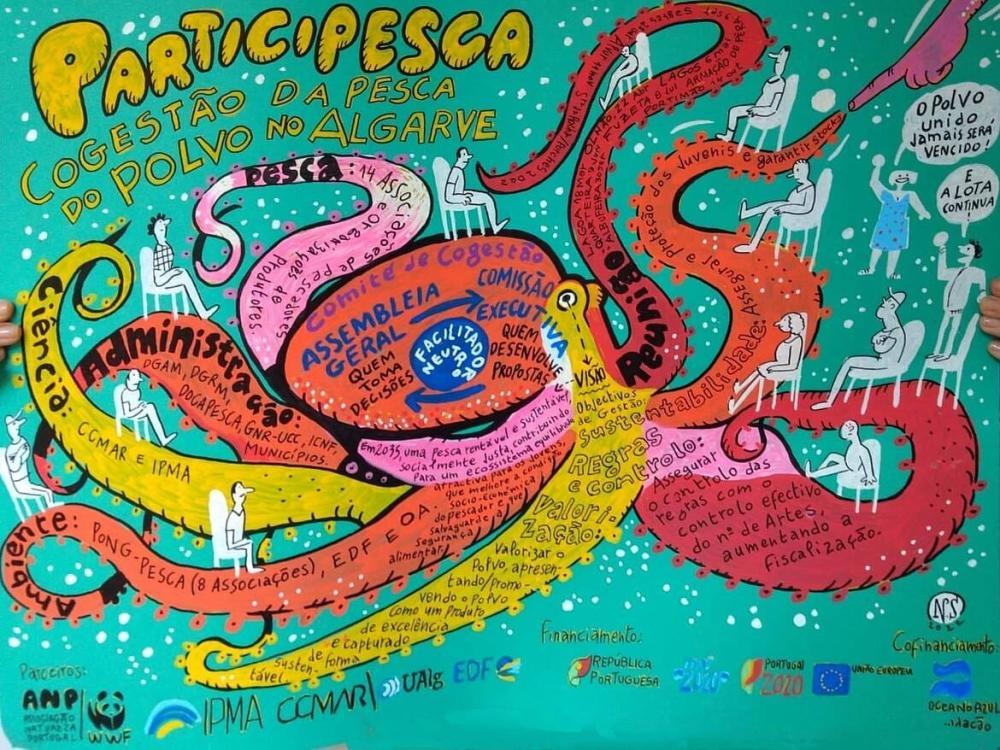
She participated as team member in several European (e.g. FarFish, Ecofishman, MNOUW, DGRMARE - mare/2014/04) and national (e.g. Cavala VRP; Tertúlia do Polvo 2014) fisheries management research projects on management system processes, the socio-economic aspects of fisheries management, and stakeholders' involvement. For these projects, she developed the skills for the needed tasks, such as: organization and promotion of multi-stakeholders participatory approaches for co-management (with specialized training in "active participation and conflict mediation in environmental protection projects"), socio-economic surveys of fishing communities, and elaboration of reports for the European Commission.
She applied to and coordinated: the Promar projects: 1) "Tertúlia do Polvo 2015" (2015), which further developed the work of the project "Tertúlia do Polvo 2014", and resulted in new legislation proposed by fisher associations, under evaluation by the Portuguese Fisheries administration; and 2) "Pescardata" (2018), the first national wide study on Marine Recreational Fisheries in Portugal.
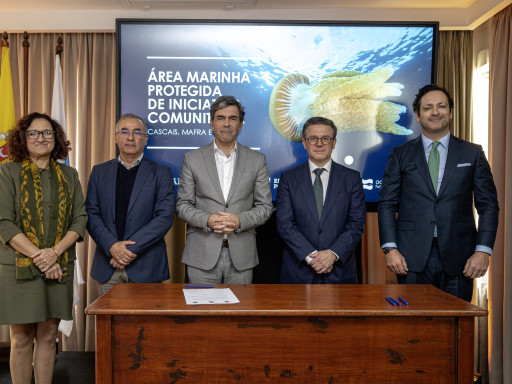
Over the years, she has also been participating in several biodiversity marine mapping projects (European and national) where she has developed and improved different techniques (e.g. scientific diving for underwater censuses) for marine fauna and flora mapping. She also participated in projects aiming at the valuation and promotion of fisheries resources and on communicating science to the general public. Currently, she also integrates several research projects on the collaborative study, monitoring and development of Portuguese MPAs.
MRangel is a permanent member of the ICES Working Group on Recreational Fisheries Surveys (WGRFS) (she hosted and organized the annual meeting of 2018), and founding member of the Coastal Tourism Group, of the University of Aveiro. She organized, prepared and mediated several multi-stakeholders’ participatory processes (related with fisheries management, MPAs and biodiversity sustainability), participated in 3 scientific commissions of international congresses (1st International Conference on Tourism in Coastal Areas, INVTUR 2014, INVTUR 2017), and in the organizing committee of SIBIC 2018. Moreover, she published 19 peer-reviewed international papers as 1st author or co-author, produced 3 books, over 60 scientific reports and more than 60 oral/poster presentations in national or international conferences. MRangel is supervising 2 master students. Her current activities include referee work for several scientific journals.