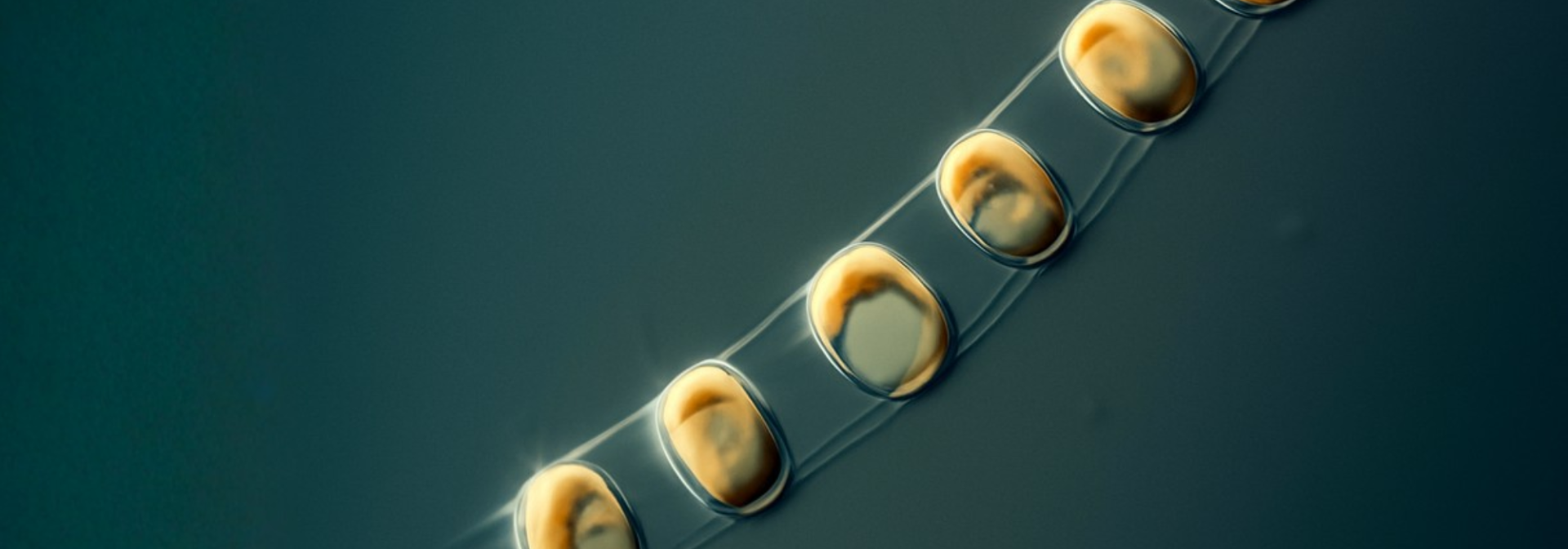
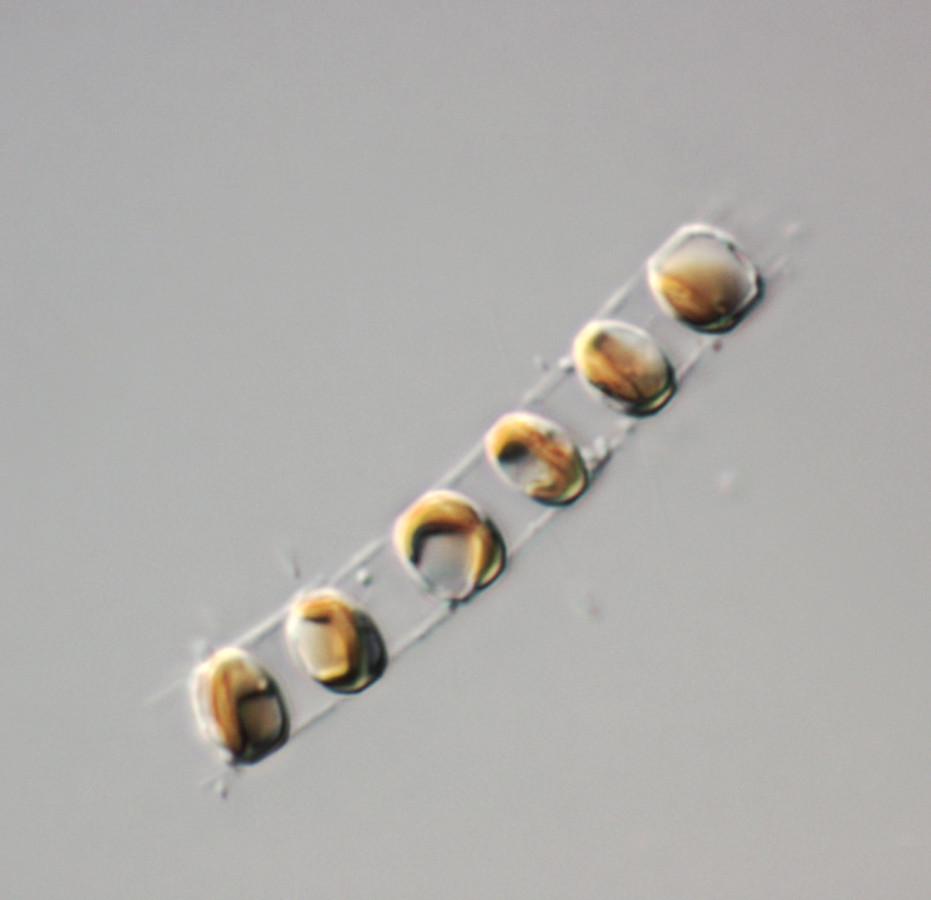
A study led by the Centre of Marine Sciences of the Algarve (CCMAR) reveals that an extract from a marine microalga, Skeletonema costatum, may become a new weapon against osteoporosis. The discovery is particularly relevant because this microalga is under approval for human consumption in Europe, which opens the door to the development of natural dietary supplements with real impact on bone health — a possible alternative to current pharmacological therapies.
The research, carried out by Alessio Carletti as part of his PhD on the biology of anti-osteoporotic marine extracts, was supervised by Paulo Gavaia, principal investigator at CCMAR, and conducted in partnership with the University of Algarve, S2AQUAcoLAB, GreenCoLab, and ABC – Algarve Biomedical Center. The study used cell cultures and animal models, including zebrafish (Danio rerio) and medaka fish (Oryzias latipes), two organisms widely used in biomedical research because they share with humans genes associated with many diseases.
Osteoporosis Current Challenge
Osteoporosis is a chronic disease that affects millions of people worldwide and results from an imbalance in the bone’s natural mechanism of breakdown and renewal. “Bone tissue is constantly renewing itself — it is continuously destroyed and rebuilt. This cycle is healthy and necessary,” explains Paulo Gavaia. “The problem begins when bone destruction becomes faster than regeneration.” The immune system works at the source, guiding communication between bone cells and acting like a translator that helps them coordinate. In conditions like osteoporosis, the problem may not lie in the bone cells themselves, but in a miscommunication that disrupts how they interact.
Current treatments act only on one side of this balance: they either block bone degradation or stimulate bone formation. Since bone cells communicate with each other, if we block the cells that break down bone, the cells that build bone also slow down.

“By acting unilaterally, these drugs end up disrupting bone cell communication and treatments are effective only for a limited time. After that, many start to have negative effects. So, the treatments must be interrupted and later resumed or replaced, which shows that we still don’t have a truly sustainable solution.”
From Science to Consumption
The team isolated an extract reach in bioactive compounds from the microalga, Skeletonema costatum, and assessed their effects in three experimental approaches: (i) they analysed bone regeneration in zebrafish; (ii) tested a genetic model of induced osteoporosis in medaka fish; (iii) and examined a mouse macrophage cell line — immune system cells that give rise to the bone-degrading osteoclasts.
The results were remarkable and revealed something surprising. The microalgae extract rebalanced bone metabolism, demonstrating protection against bone loss associated with osteoporosis and a suppression of immune cell over-activation.
In short, the extract does not behave like current medicines and does not interrupt the natural process of bone metabolism; on the contrary, it regulates the immune mechanisms that affect it and helps the body regain its ideal balance, paving the way for a more natural, preventive and sustainable therapeutic approach.
The most promising aspect of this discovery is its potential for real-world application. Skeletonema costatum is already cultivated in Europe and under approval for human consumption, which means the path to developing nutraceuticals — such as functional dietary supplements — could be significantly faster than that of new drugs
"Our results open the door to integrative therapeutic strategies. Instead of suppressing bone metabolism, we help the body restore balance — something rare in conventional treatments.”
A Leading Research Line in the Algarve
This work provides further evidence that the ocean can be a valuable source of bioactive compounds with an impact on human health. The findings align with the growing trend toward holistic, nutraceutical, and less invasive approaches to chronic, age-related diseases.
There is still work ahead: it is necessary to isolate and characterise the active compounds, optimise dosages, and test molecular mechanisms. But a door has already been opened — and with support from entities such as CCMAR, the University of Algarve, GreenCoLab, S2AQUAcoLab and ABC, this research line is becoming established in the Algarve as a reference for a new generation of marine bioproducts.


References:
- The study was recently published in Frontiers in Immunology and is part of Alessio Carletti's doctoral work at CCMAR and the University of the Algarve.